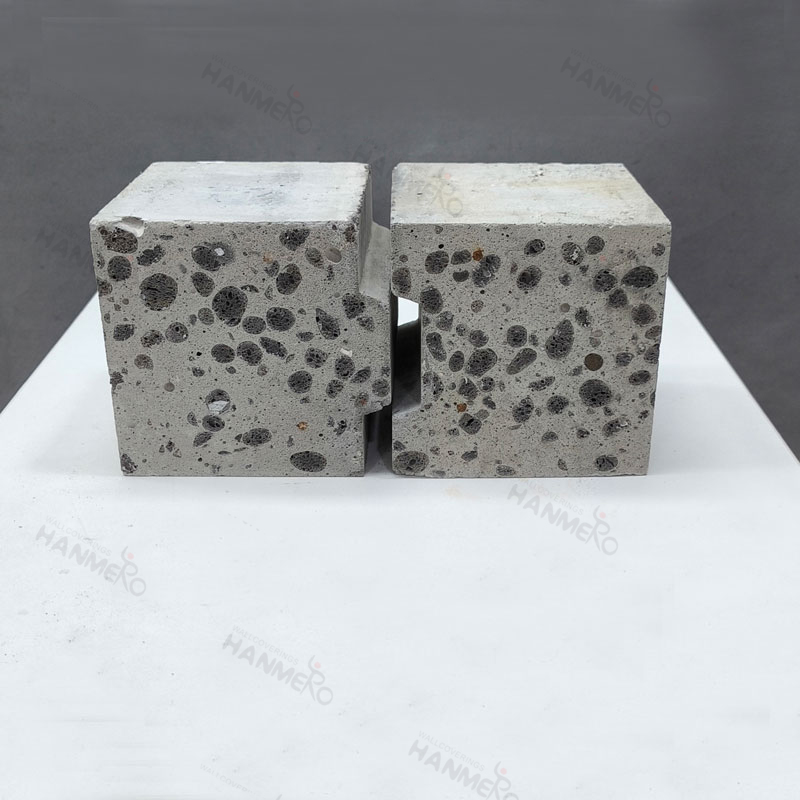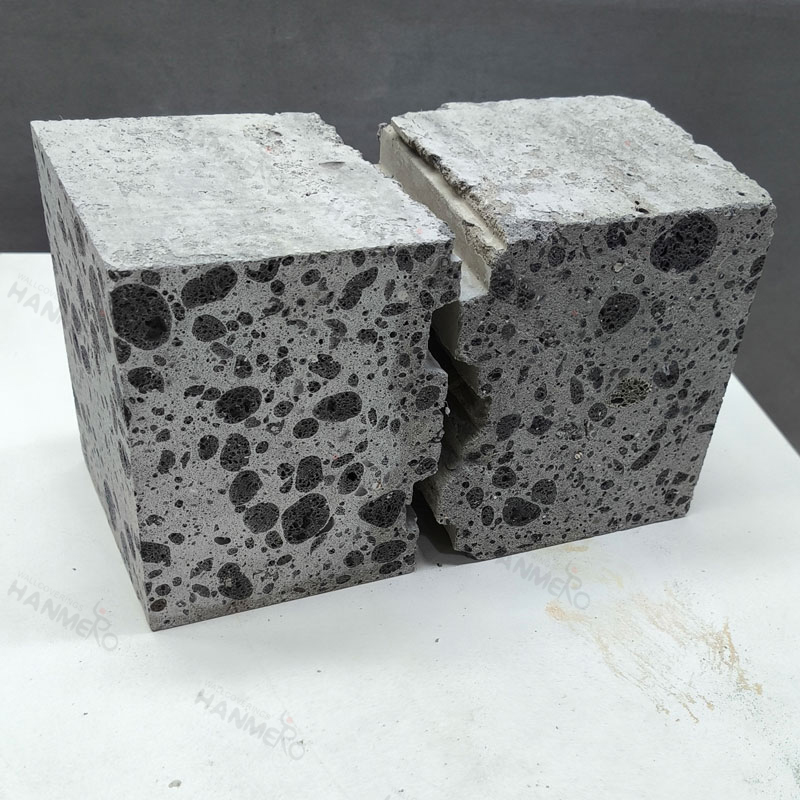
As the global construction industry pushes harder to reduce carbon emissions and meet strict green building certification standards like LEED and BREEAM, Expanded Clay Cement Panel has become one of the most valuable materials for architects and developers working on low carbon, eco friendly building projects. Its entire production and use cycle is designed to minimize environmental impact, while still delivering far better performance than most traditional partition materials.
One of the biggest environmental advantages of Expanded Clay Cement Panel is that it makes heavy use of industrial waste as raw material. A large portion of its composition comes from processed industrial slag, fly ash and recycled expanded clay aggregate, which are by products from other industrial production processes that would otherwise end up in landfills. By reusing these waste materials, the production process for this panel generates 30 to 40 percent less carbon emissions per square meter than the production of equivalent traditional clay bricks, drastically reducing the embodied carbon footprint of every partition wall built with it.
The light weight of Expanded Clay Cement Panel also creates huge secondary environmental benefits during transportation and construction. Since it is much lighter than brick or concrete partition materials, far fewer heavy transport trips are needed to deliver the same total area of wall material to a construction site, which cuts down on transportation related carbon emissions significantly. The fast, dry installation process also eliminates most of the wet cement mortar work that generates large amounts of construction waste, dirty waste water and on site dust. Studies of large construction projects have found that using this panel can reduce total construction waste on site by more than 70 percent compared to traditional brick wall construction.
During the long term use phase of the building, Expanded Clay Cement Panel also helps reduce the building’s ongoing operational carbon emissions. The tiny closed air pores inside the expanded clay aggregate give the panel natural thermal insulation performance, which reduces heat transfer through the interior partition walls. This helps stabilize indoor temperatures more effectively, reducing the total workload on air conditioning and heating systems and lowering the building’s total annual energy consumption. For large commercial buildings with hundreds of square meters of interior partitions, this can add up to a noticeable reduction in annual energy bills and a lower overall carbon footprint for the entire building.
At the end of its long 50+ year service life, Expanded Clay Cement Panel is also fully recyclable. When the building is eventually demolished, the panels can be crushed, processed and reused as raw material for new building products, rather than being sent to landfill as construction waste. This full circular lifecycle, combined with its low embodied carbon and long service life, makes Expanded Clay Cement Panel a perfect material for any green building project that aims to meet the highest sustainability standards.