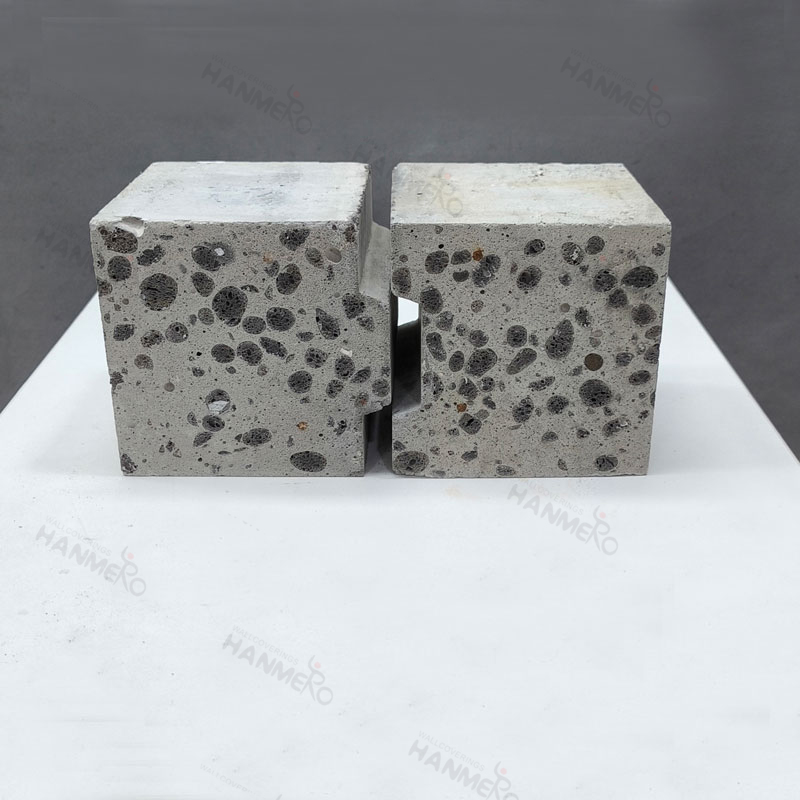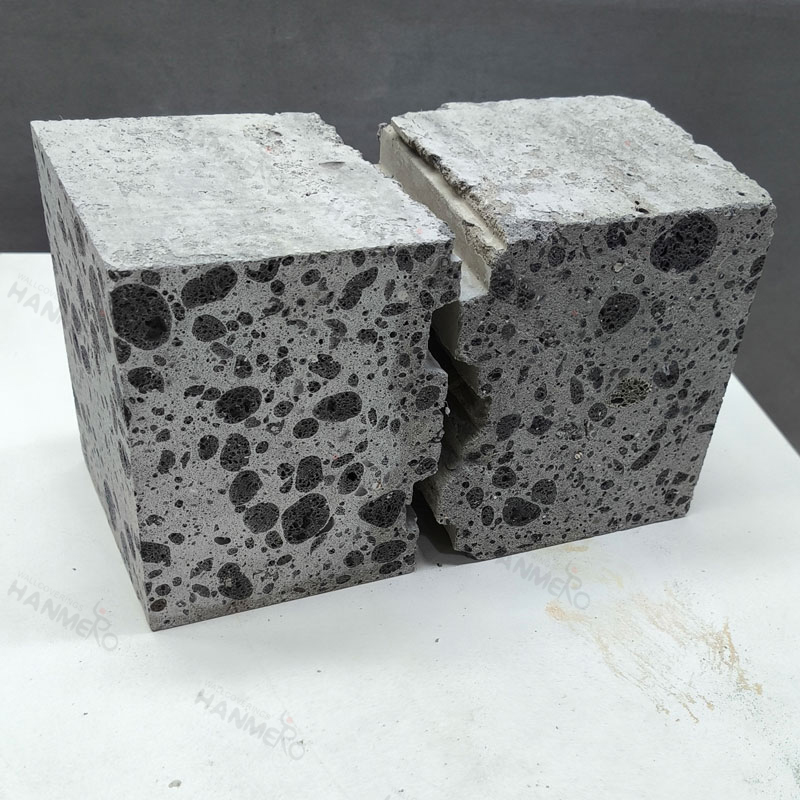
Expanded Clay Cement Panel is an extremely durable and forgiving building material, but many construction teams that are using it for the first time make avoidable mistakes that lead to common problems like joint cracking, loose panels or uneven surfaces. Most of these issues are not flaws in the material itself, but the result of using installation methods designed for gypsum board or brick walls that are not suitable for this specialized panel.
One of the most common mistakes is using ordinary cement mortar to fill the joints between panels, instead of the specialized polymer mortar designed for this material. Ordinary cement mortar has very high rigidity and almost no flexibility, so when the building experiences minor natural structural settlement or small temperature changes, the hard mortar cannot absorb the tiny movement, and cracks will appear directly at the panel joints. The correct solution is to always use the factory recommended flexible polymer mortar for all joints and connection points, which has just the right amount of flexibility to absorb minor structural movement without cracking.
Another frequent mistake is installing the panels too tightly against each other, with no reserved gap for thermal expansion. Many new installers push the Expanded Clay Cement Panel directly against the adjacent panel with zero gap, but the cement based material will expand slightly when it absorbs moisture during and after installation. With no space for this small expansion, the panels will push against each other, creating internal stress that causes the wall to warp or crack a few months after installation. The simple fix is to always leave a 3 to 5mm gap between every panel, and fill this gap completely with flexible mortar to accommodate small expansion and contraction.
Many teams also make the mistake of skipping the anti crack mesh tape step on panel joints before applying putty. Even if you use the best polymer mortar for the joints, the interface between two different panels is still a natural weak point that is prone to cracking over time. Applying a layer of alkali resistant anti crack fiber mesh tape across every single joint before applying the finishing putty creates a reinforcing layer that distributes stress evenly across the joint, eliminating almost all risk of long term joint cracking. This small extra step takes very little extra time, but prevents one of the most common complaints about cement panel walls.
The last major mistake is hanging heavy objects directly on the panel without pre drilling or using the correct heavy duty anchors. While Expanded Clay Cement Panel is much stronger than gypsum board, it is still a lightweight cement based material, and using regular self tapping screws directly into the panel will not provide enough holding force for items heavier than 5kg. The correct method is to pre drill a small hole, then use specialized expansion anchors designed for lightweight cement panels, which can safely support weights of up to 50kg per anchor. Avoiding these simple mistakes will ensure your Expanded Clay Cement Panel wall stays smooth, stable and crack free for its entire service life.