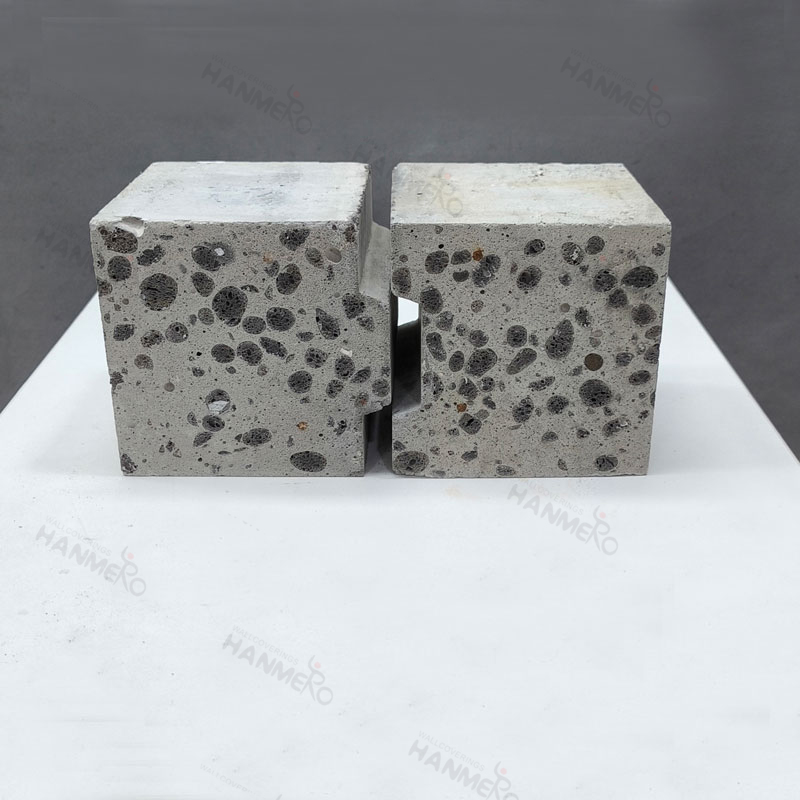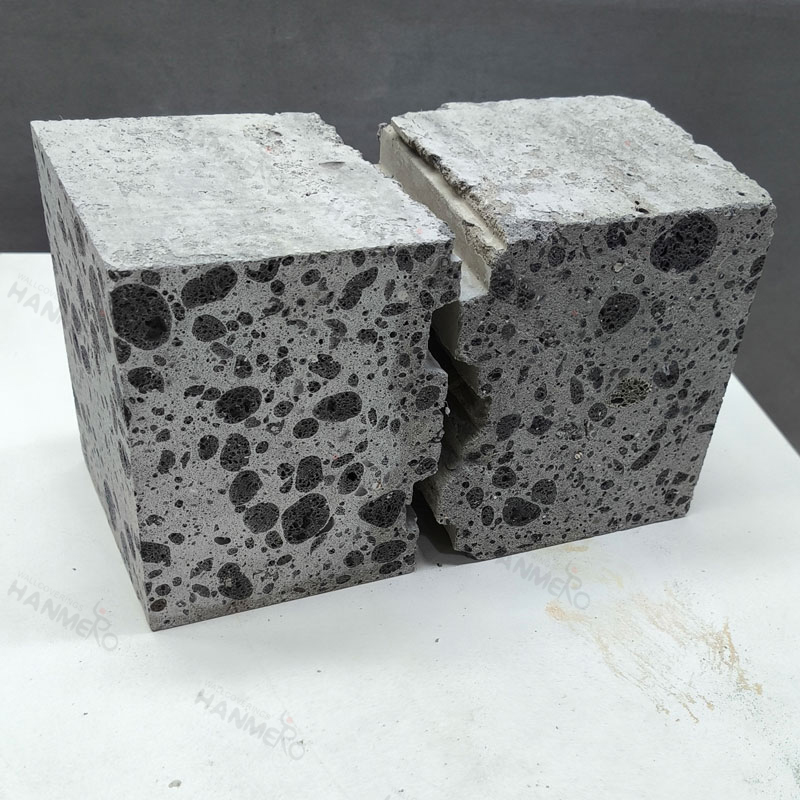
When choosing a partition material for a construction project, many developers and property owners only compare the upfront material cost, and ignore the full long term total cost over the 50 year service life of the building. A detailed cost comparison between Expanded Clay Cement Panel and traditional partition materials like clay brick, aerated concrete block and gypsum board shows that the long term total cost of using this panel is actually far lower, even if its initial material price is slightly higher.
Let us start with a standard 100 square meter interior partition wall to compare the full cost breakdown. For a traditional solid clay brick wall, the upfront material cost for bricks, cement and sand is relatively low, but the labor cost for masonry and double side plastering is extremely high. The total upfront construction cost for a 100 square meter brick wall is usually 30 to 40 percent higher than installing the same area of Expanded Clay Cement Panel. The brick wall is also much heavier, so it requires extra load bearing reinforcement in the building’s structure, which adds even more hidden cost to the project. On top of that, the brick wall will develop cracks over time, and regular maintenance and repainting work over 50 years can add thousands of dollars in extra costs.
For aerated concrete block partitions, the upfront material cost is similar to Expanded Clay Cement Panel, but the installation process still requires a lot of wet work, on site plastering and curing time, which pushes up labor costs and extends the construction timeline. Aerated concrete also has relatively low surface strength, so it is very easy to chip and crack during daily use, and it requires regular patching and repair work. Its water resistance is also very poor, so it will degrade quickly if used in humid environments, requiring full replacement within 20 to 30 years.
For standard gypsum board partitions, the upfront material and installation cost is the lowest of all options, but its service life is only 10 to 15 years. Over a 50 year period, you will need to completely remove and replace the gypsum board wall at least 3 to 4 times, which adds up to multiple rounds of material cost, labor cost and renovation downtime. Gypsum board walls also require regular patching, repainting and mold treatment in humid areas, which creates constant ongoing maintenance costs for property owners.
Expanded Clay Cement Panel, by contrast, has a service life of more than 50 years, matching the full design life of most modern buildings. It requires almost no maintenance during its entire service life, no patching, no mold treatment and no full replacement. The total upfront plus long term maintenance cost over 50 years is 40 to 60 percent lower than the total cost of using gypsum board, and 20 to 30 percent lower than the total cost of using traditional clay brick walls. When you also factor in the extra 5 to 8 percent of usable floor space it creates by being thinner than traditional walls, the total economic value it delivers over the building’s lifetime is unmatched by any traditional partition material.