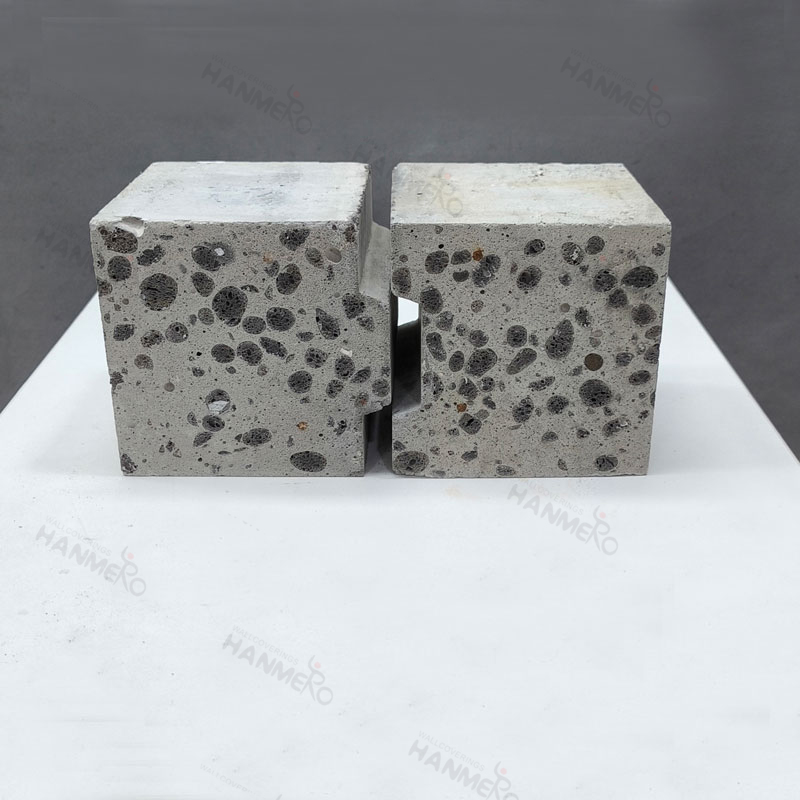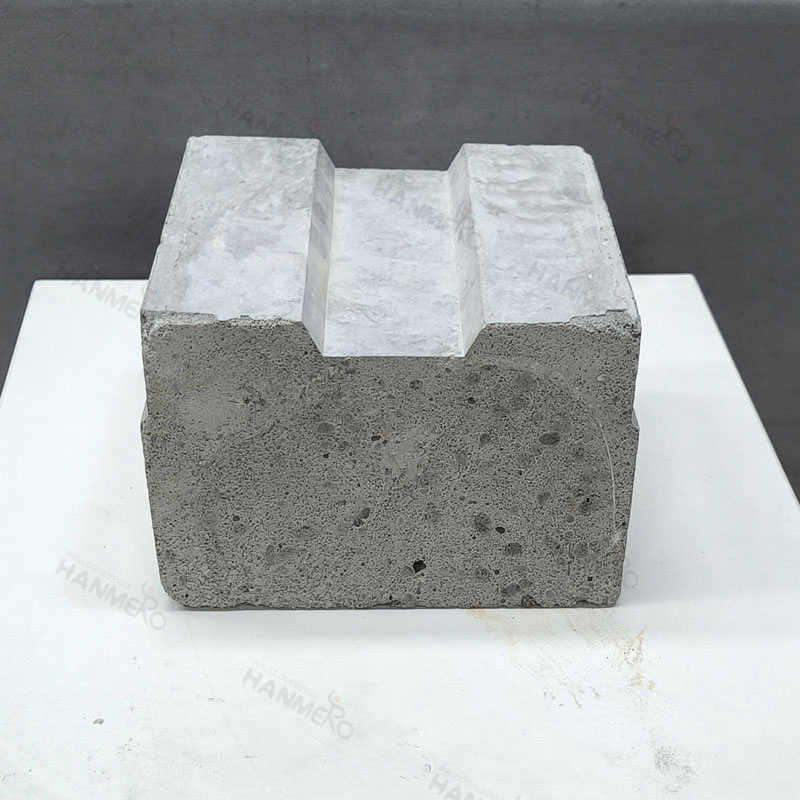
As the global construction industry is accelerating the transformation to low-carbon and sustainable development, Ceramsite Slab is playing an increasingly important role in the green building system with its excellent carbon reduction value throughout the life cycle. In the production stage, the main raw material expanded clay can be made from low-quality clay and a variety of industrial solid waste after high-temperature firing, which can not only digest part of the solid waste that is difficult to dispose, but also the carbon emission per cubic meter of Ceramsite Slab is 40% lower than that of traditional precast concrete components.
In the building operation stage, the excellent thermal insulation performance of Ceramsite Slab can continuously reduce the energy consumption of heating and air conditioning, thereby indirectly reducing a large amount of carbon emissions generated by building power consumption every year. After the end of the building’s service life, the Ceramsite Slab can be completely crushed, and the recycled expanded clay particles can be re-invested in the production of new building materials, realizing 100% recyclable closed-loop utilization, and will not produce a large amount of construction waste that is difficult to degrade. At present, many green building certification systems at home and abroad have included Ceramsite Slab in the list of recommended low-carbon materials, which can help projects obtain corresponding green evaluation points and effectively reduce the embodied carbon index of the whole building.