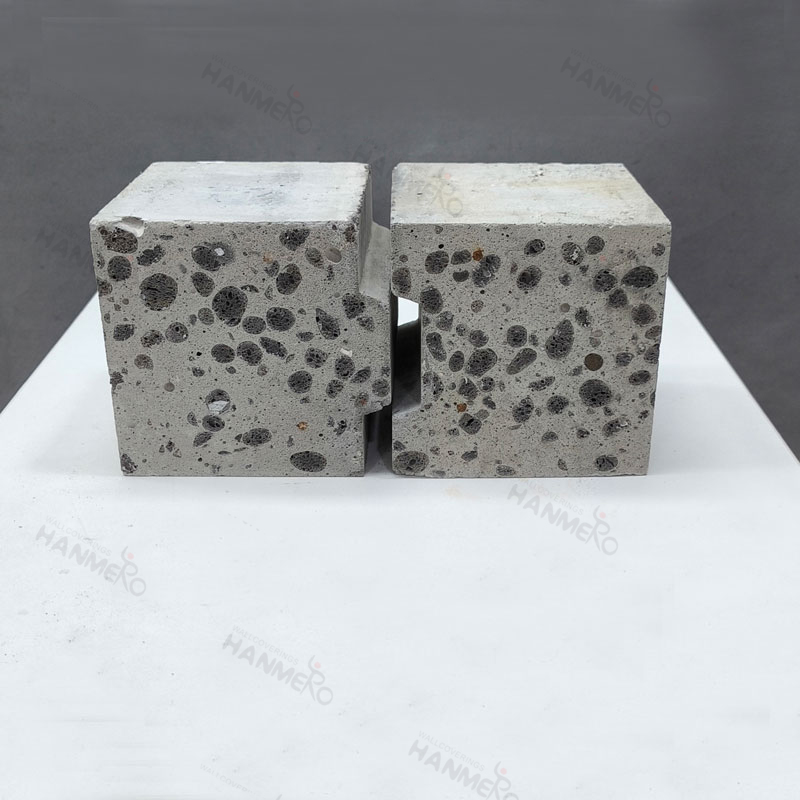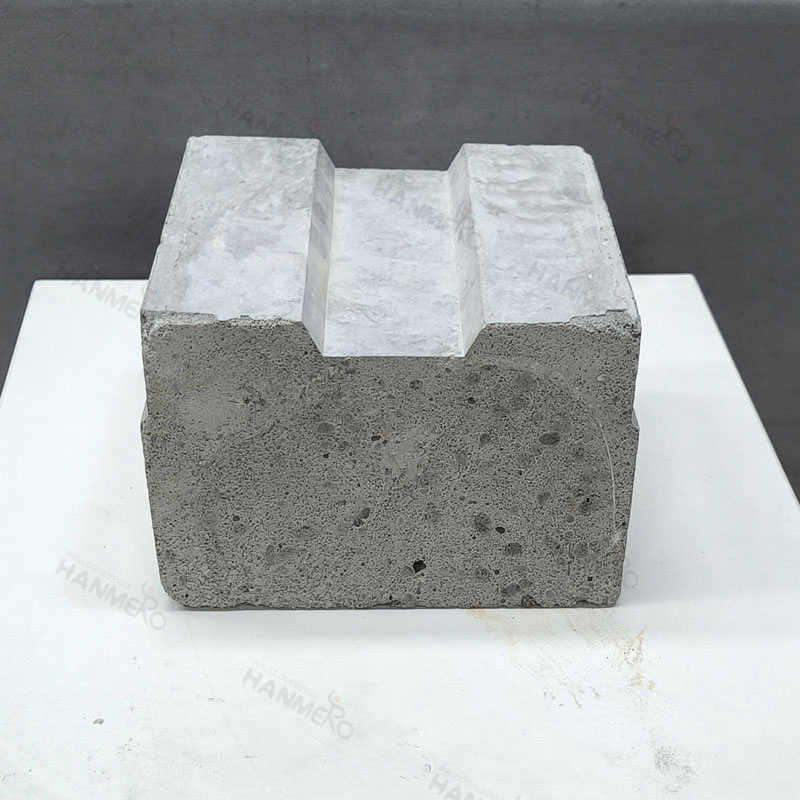
Ceramsite Concrete Block is a modular, masonry-friendly expanded clay cement panel product designed as a seamless direct replacement for traditional solid clay bricks, ordinary concrete blocks, and hollow cinder blocks, bringing the full performance benefits of expanded clay technology to construction teams that are deeply familiar with standard masonry workflows. Unlike small, heavy individual traditional concrete blocks that require thousands of units and days of skilled labor to erect a single wall, Ceramsite Concrete Block comes in large, labor-saving modular panel units that align perfectly with standard masonry dimension systems, allowing experienced masons to transition to this new material with almost no additional training. Each Ceramsite Concrete Block unit is manufactured from a dense, uniform mixture of graded expanded clay ceramsite aggregates and high-strength structural cement, creating a building unit that fixes nearly every long-standing flaw of traditional masonry materials.
The core performance advantages of Ceramsite Concrete Block over conventional masonry are immediately visible on any active construction site. Each large modular Ceramsite Concrete Block unit covers the wall area of 10 to 14 standard 8-inch concrete blocks, allowing masons to complete wall erection 7 to 9 times faster than they can with individual small blocks, drastically cutting the total labor time required for the wall phase of any project. Each unit weighs 60% less than a traditional solid concrete block of equivalent wall area, reducing the physical strain on construction workers and eliminating the need for heavy lifting equipment to transport blocks across the site. Even with this dramatic reduction in weight, Ceramsite Concrete Block delivers a compression strength of over 5.5MPa, fully meeting all structural requirements for non-load-bearing and low-load-bearing exterior and interior walls. The expanded clay ceramsite aggregates distributed evenly throughout the block create millions of tiny trapped air pockets, giving the product 3 times better thermal insulation performance than ordinary concrete blocks, reducing the building’s long-term heating and cooling energy costs by more than 35%. It also meets full Class A non-combustible fire safety standards, delivers over 44 decibels of sound insulation, and has a water absorption rate 70% lower than ordinary concrete blocks, making it highly resistant to freeze-thaw damage and long-term mold growth in harsh climates.
Ceramsite Concrete Block fits seamlessly into nearly every traditional masonry application, making it extremely easy for construction teams, developers, and local governments to adopt as a modern upgraded masonry standard. In low-rise residential housing projects, it is used to build full exterior main walls, interior room partitions, and garden boundary walls, cutting total wall construction time by 65% while reducing the total dead load on the building’s foundation to lower structural engineering costs. In rural affordable housing and public housing programs, Ceramsite Concrete Block delivers a far more durable, energy-efficient wall solution at a total cost that is highly competitive with traditional masonry, without requiring construction teams to learn completely new installation methods. In small commercial buildings and neighborhood retail renovation projects, the modular units can be easily cut on site to fit any custom wall dimension, and their smooth, uniform surface eliminates the need for thick cement plaster, allowing contractors to apply paint, tile, or other decorative finishes just one day after the wall is fully erected. Unlike traditional clay brick production that consumes large amounts of agricultural land, Ceramsite Concrete Block can be manufactured with recycled industrial fly ash as a partial cement replacement, creating a far lower-carbon wall material that helps local construction projects meet modern environmental protection and green building regulations.