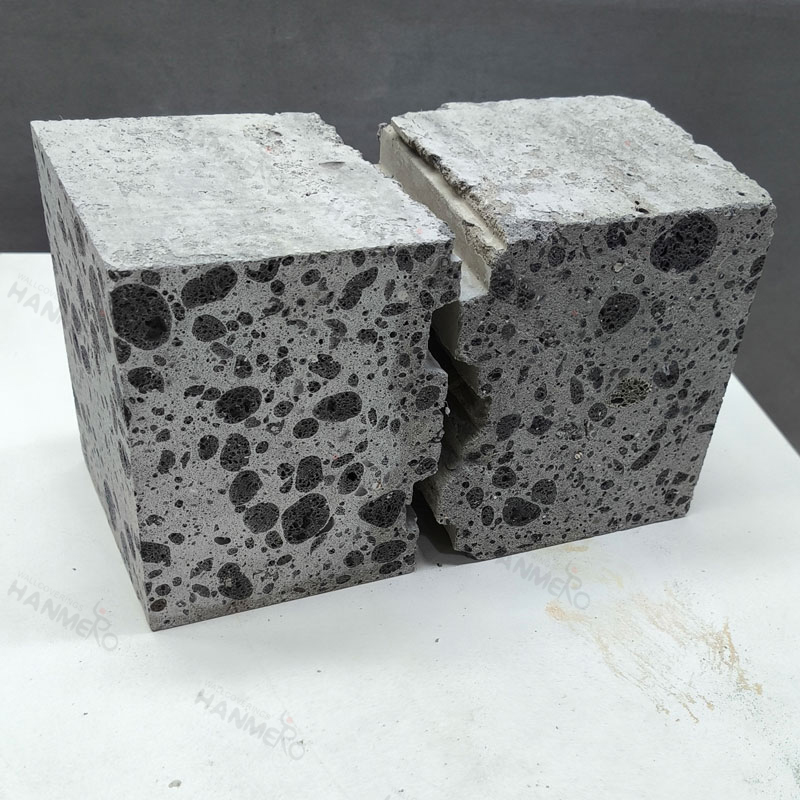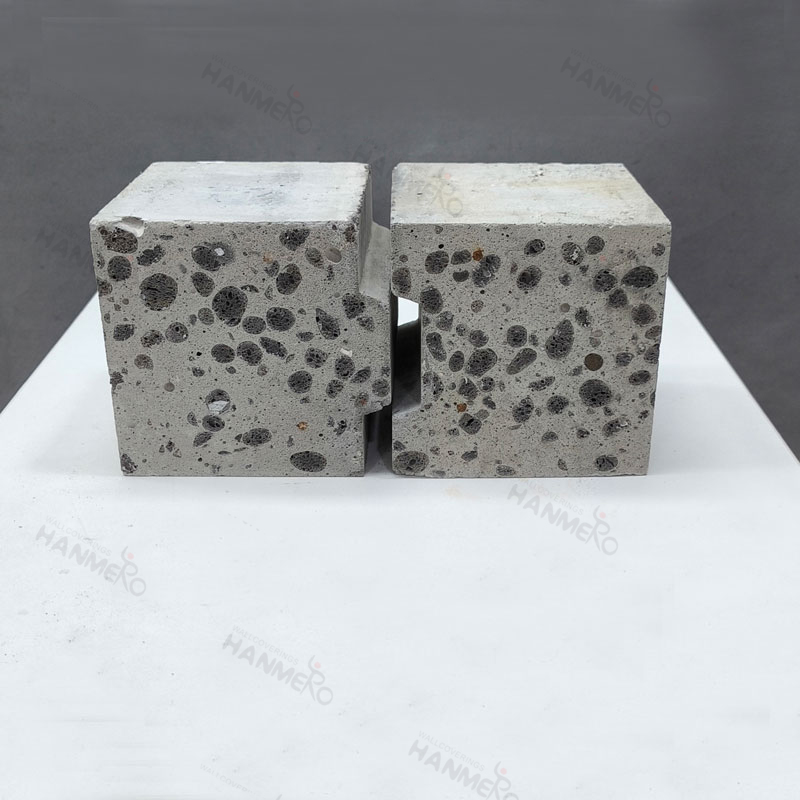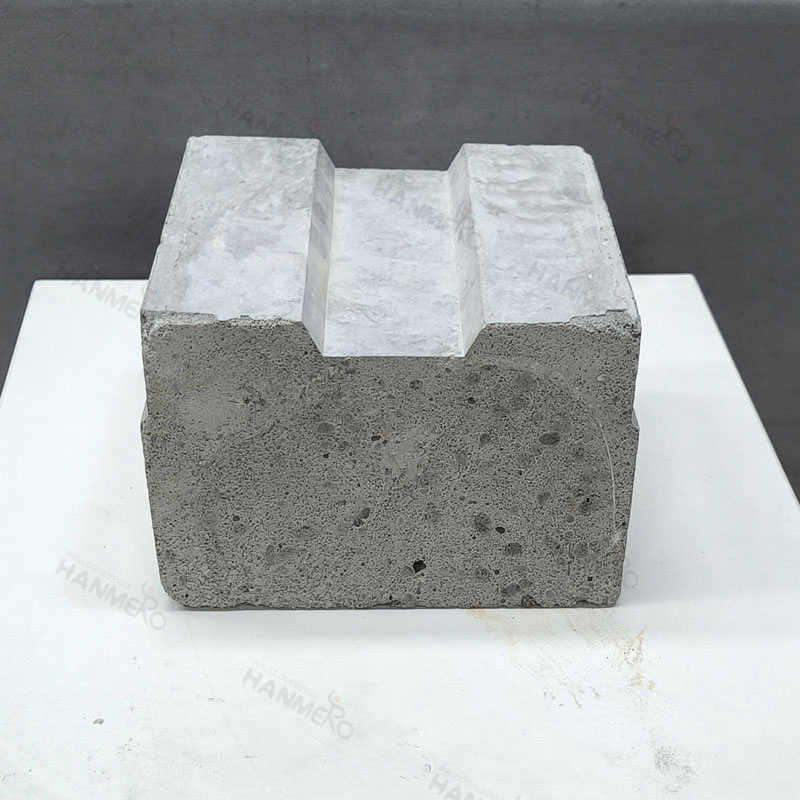
As the global construction industry moves rapidly towards carbon neutrality and green building standards, the demand for environmentally friendly building materials that reduce carbon emissions and support circular development is growing faster than ever. The Ceramsite Panel stands out as a leading sustainable building solution, because the Expanded Clay Cement Panel is manufactured using recycled industrial byproducts and 100% recyclable raw materials that create minimal environmental impact.
The main raw materials of the Ceramsite Panel include high performance cement, industrial slag and expanded clay aggregates, where the slag used is a recycled byproduct from the steel industry that would otherwise be sent to landfill. The expanded clay itself is produced through high temperature sintering of natural clay, and the final Expanded Clay Cement Panel product can be completely 100% recycled after its service life ends, with all crushed material able to be reused as raw material for new building products. This creates a closed loop circular economy model that generates almost no construction waste, which is a huge advantage compared to many other partition materials that end up in landfills after demolition.
The lightweight nature of the Ceramsite Panel also brings additional environmental benefits during transportation and construction. Because the Expanded Clay Cement Panel is much lighter than traditional brick walls, it greatly reduces the load requirement for the building’s main structural frame, allowing engineers to use less concrete and steel in the foundation and main structure, which cuts down the embodied carbon of the entire building significantly. Many green building certification projects now explicitly include the Ceramsite Panel in their recommended material list, as using it can help projects earn extra LEED or national green building standard points. By choosing the Ceramsite Panel, you are not just selecting a high performance partition material, but also making a tangible contribution to reducing the construction industry’s carbon footprint and building a more sustainable future.