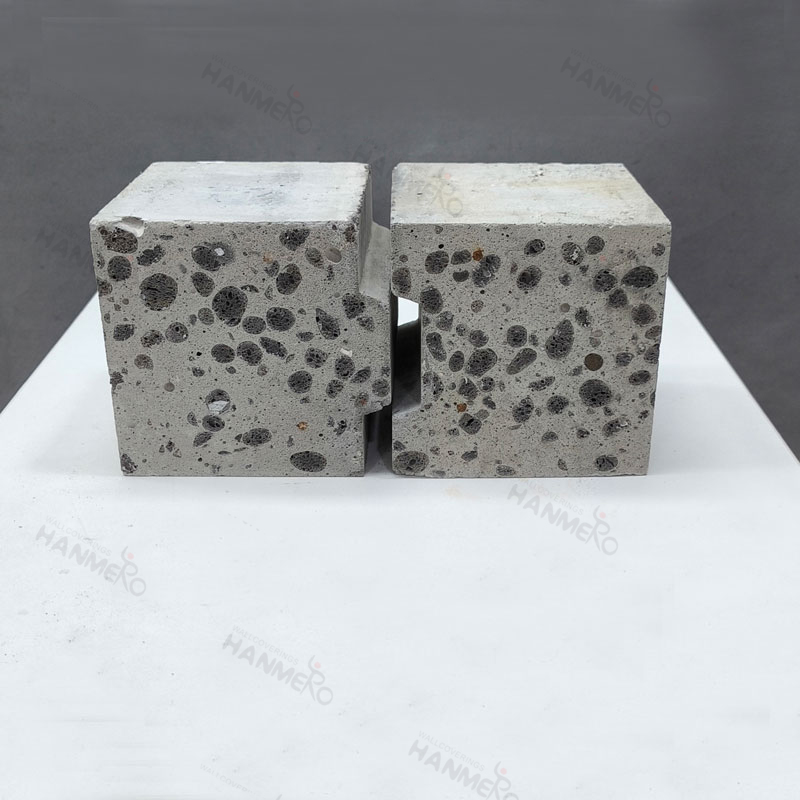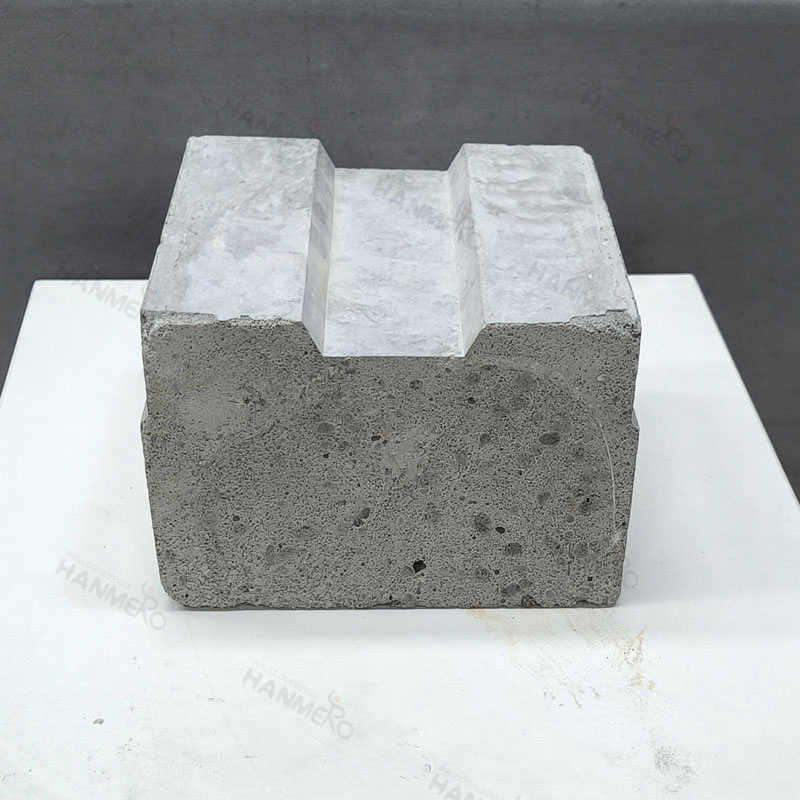
When choosing internal partition materials for a construction project, many contractors and property owners often find themselves deciding between the Ceramsite Panel and traditional gypsum board, two of the most popular lightweight partition solutions on the market. While both materials have their own advantages, a detailed comparison of their performance, service life and cost effectiveness shows that the Expanded Clay Cement Panel is the better choice for most medium and long term construction projects.
In terms of structural strength and impact resistance, the Ceramsite Panel is far more durable than standard gypsum board. A standard Expanded Clay Cement Panel can easily withstand direct impacts from moving furniture, office carts and daily human collision without breaking or denting, while ordinary gypsum board will develop obvious dents or even holes after a moderate impact. This difference is especially important for high traffic spaces like schools, shopping malls and industrial workshops, where partition walls are frequently exposed to accidental collisions. The Ceramsite Panel also allows you to hang heavy objects directly on the wall with ordinary expansion bolts, supporting loads of up to 50kg per hanging point, while gypsum board requires special reinforced backing to hang anything heavier than a small picture frame.
When it comes to moisture and water resistance, the gap between the two materials is even larger. Ordinary gypsum board will start to soften and lose all its structural strength after being exposed to water for just a few hours, while the Ceramsite Panel maintains full strength even after long term water immersion. The Expanded Clay Cement Panel also has much better fire resistance, as it is completely non combustible, while regular gypsum board will release water vapor and start to degrade quickly under high temperature fire conditions. Although the initial material cost of the Ceramsite Panel is slightly higher than gypsum board, its much longer service life, lower maintenance cost and better overall performance make it far more cost effective over the full lifecycle of the building.