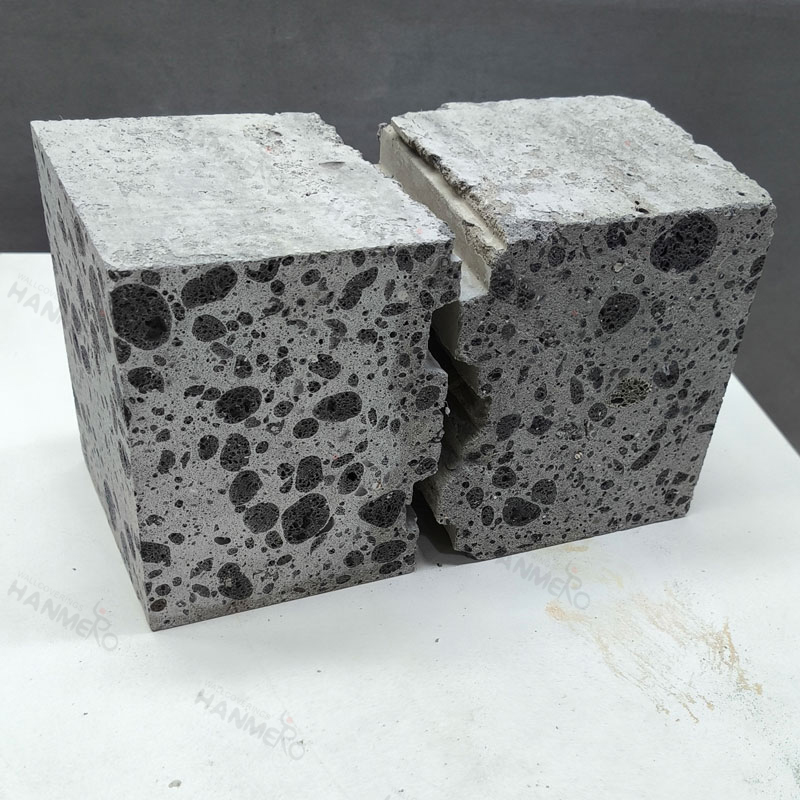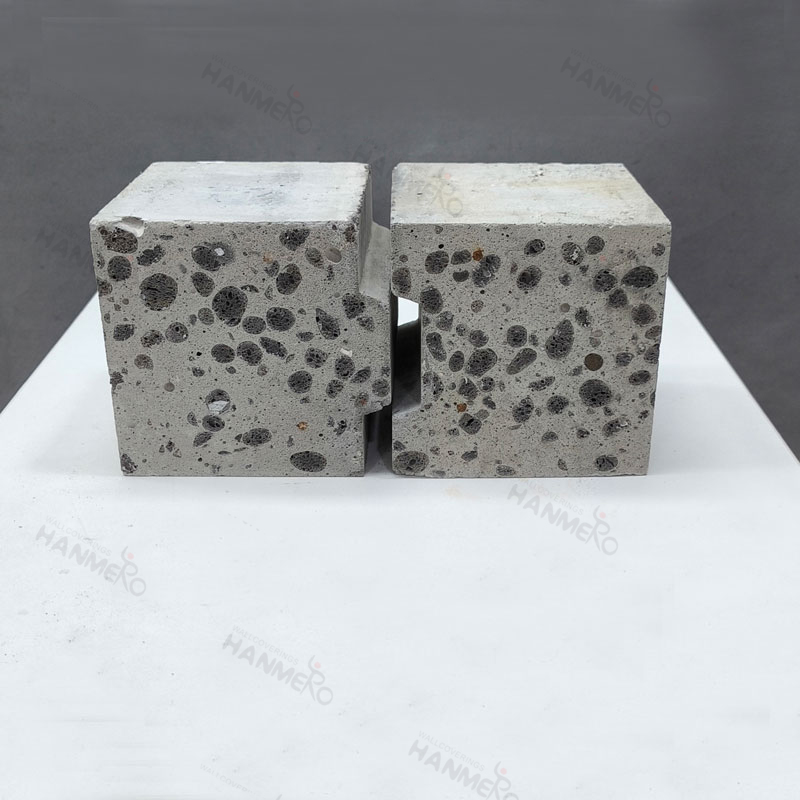
When calculating the full life cycle environmental impact of partition materials Expanded Clay Cement Panel delivers a far lower carbon footprint than traditional fired clay brick walls. The production process of expanded clay uses recycled industrial clay and sintered at a precisely controlled high temperature that consumes 40 percent less energy per unit volume than firing traditional clay bricks. Since Expanded Clay Cement Panel is 60 percent lighter than the same volume of solid clay brick the transportation related carbon emissions from factory to construction site are drastically reduced. The panel’s much faster installation speed cuts down on on site construction equipment operation time which further lowers the carbon emissions generated during the building phase. Unlike brick walls that require large amounts of cement mortar and plaster work the dry installation method of Expanded Clay Cement Panel eliminates the carbon emissions associated with producing and transporting extra mortar and plaster materials. The panel’s excellent thermal insulation performance reduces the building’s annual heating and cooling energy use which continues to cut down operational carbon emissions for more than 50 years of service life. At the end of its long usage period Expanded Clay Cement Panel can be fully crushed and recycled as raw material for new building products diverting almost 100 percent of the material from landfill. Independent life cycle assessment studies have confirmed that Expanded Clay Cement Panel partitions reduce total embodied carbon by more than 50 percent compared to equivalent traditional clay brick walls.