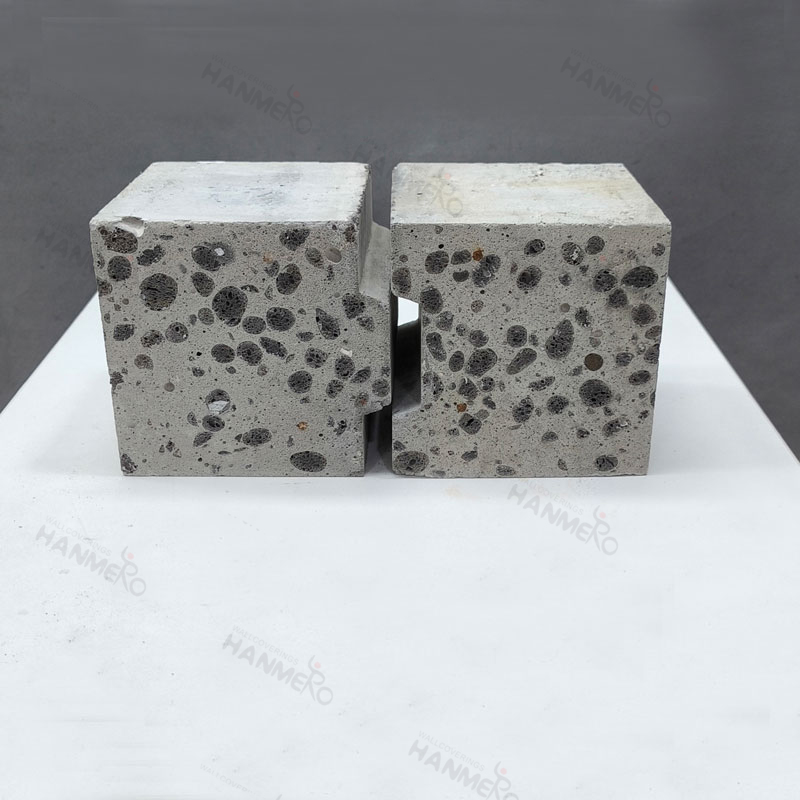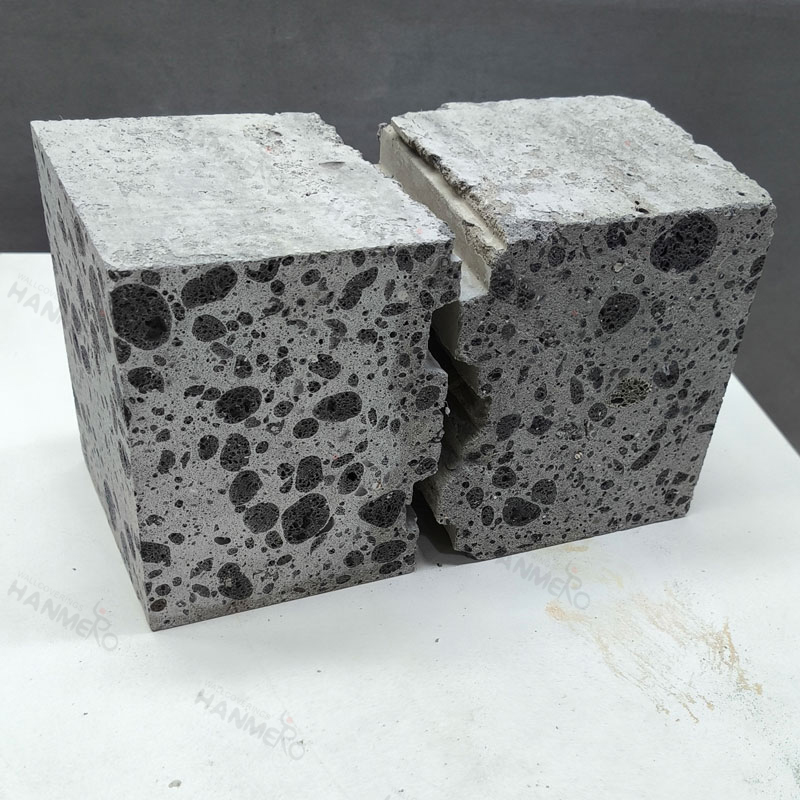
Public outdoor landscape facilities including park rest rooms, visitor centers, garden kiosks, public toilet blocks and scenic area service stations have to withstand extremely harsh outdoor environmental conditions all year round, from heavy rain storms and strong wind to intense UV radiation and large daily temperature differences between day and night. This is the exact scenario where Ceramsite Panel demonstrates its unmatched advantages over many other traditional building materials, making it the perfect choice for landscape architects and public facility construction teams.
The Expanded Clay Cement Panel is manufactured with fully inorganic raw materials that do not contain any organic foam, plastic or easily degradable components, so it will not rot, deform or lose structural strength even after being exposed to rain, snow and high humidity for decades. Unlike wood based outdoor wall panels that require regular anti corrosion treatment, repainting and pest control work every 2 to 3 years, a properly installed Ceramsite Panel can maintain its full structural performance for more than 30 years in outdoor open air environments, with almost no required maintenance. This is a huge benefit for municipal park management departments and scenic area operators, as it drastically cuts down the long term operational budget for maintaining public landscape facilities.
Another key benefit of using Expanded Clay Cement Panel for outdoor landscape projects is its excellent freeze thaw resistance performance. In regions that experience cold winters with repeated cycles of freezing and thawing, many traditional concrete and brick wall materials will develop cracks, spalling and surface damage after several years of exposure to water that seeps into the material and expands when frozen. The unique closed pore structure of the expanded clay aggregates inside Ceramsite Panel prevents water from penetrating deep into the panel body, so even after more than 100 cycles of freeze and thaw tests, the material still retains more than 95 percent of its original structural strength. Landscape designers also love the fact that the surface of these panels can be finished with a wide variety of decorative treatments, including natural stone texture coatings, wood grain finishes, colorful paint and even artistic murals, allowing them to create landscape facilities that perfectly match the surrounding natural environment and aesthetic design style of the park or scenic area.